
Steampunk, where the smoke of industry meets the enchantment of the Victorian era, presents a fascinating canvas for RPG adventures. This genre marries 19th-century industrial steam-powered machinery with elements of fantasy and futuristic technologies, creating a rich playground for narrative and exploration. In this post, we delve into the essential elements that can help you infuse your campaigns with the vibrant and intricate world of steampunk, ensuring that your players remain engaged and immersed.
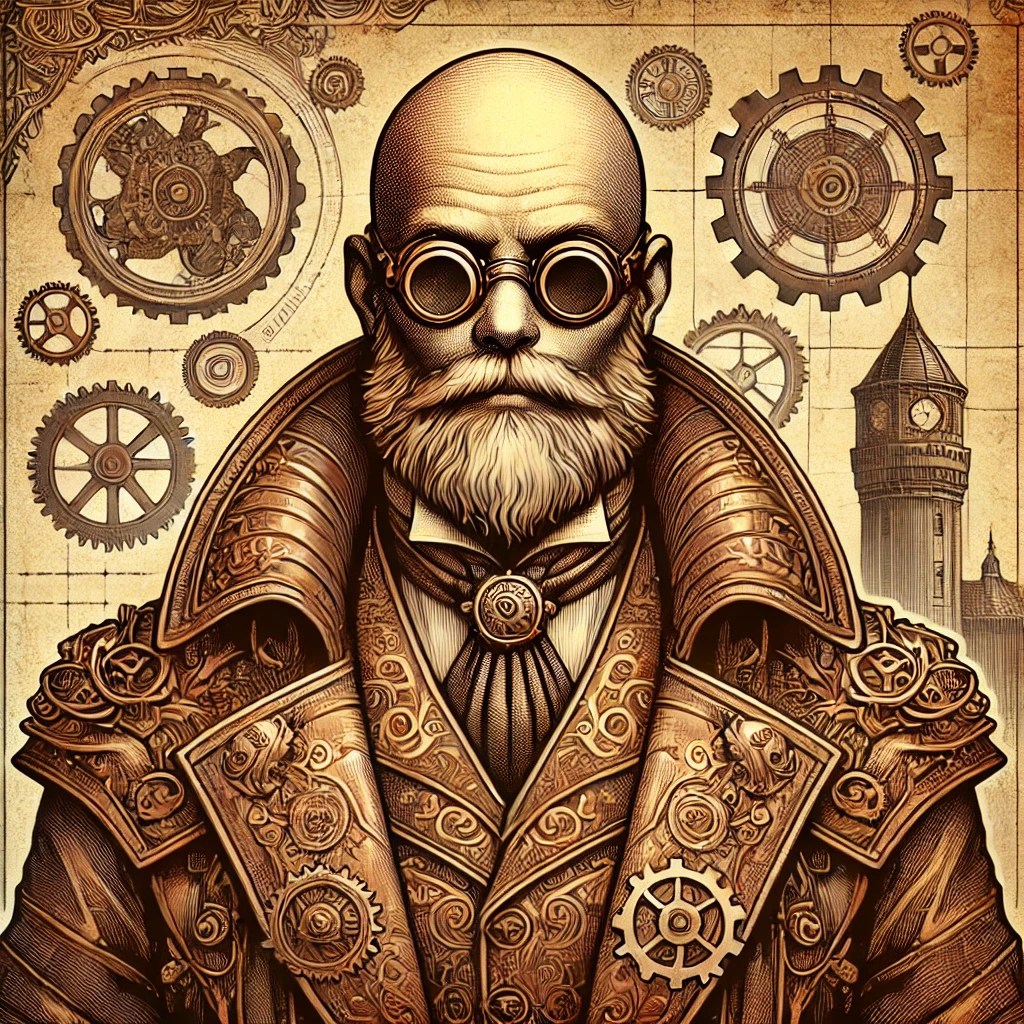
Historical and Aesthetic Foundations The allure of steampunk is deeply rooted in its historical underpinnings, drawing from the era of Victorian ingenuity and the dawn of industrialization. These times brought about groundbreaking inventions and a shift in societal structures, which steampunk reimagines with a twist of magic and advanced technologies. The aesthetic is heavily influenced by the works of H.G. Wells and Jules Verne and is characterized by a juxtaposition of the gritty textures of industrial factories with the polished elegance of Victorian fashion. Brass gears, leather-clad machinery, and the hiss of steam are visual staples that provide a tactile sense of wonder and danger. This backdrop is perfect for tales of innovation, exploration, and rebellion—themes that resonate deeply within the steampunk genre.
Key Themes in Steampunk RPGs
- Exploration and Innovation: Encourage characters to venture into uncharted territories that blur the lines between scientific discovery and magical wonder. Quests could involve seeking out lost technologies in ancient ruins or competing to invent disruptive new gadgets that could change the societal landscape.
- Political Intrigue: Craft narratives around the tension between the old guard and the new thinkers. The rise of technology can threaten established powers, creating a fertile ground for campaigns centered on espionage, sabotage, and diplomatic maneuvering among the elite and the innovators.
- Rebellion vs. Establishment: Many steampunk stories feature themes of change and disruption. Characters might find themselves either bolstering the revolutionary ideals that seek to dismantle the current regime or protecting the established order from radical changes. This dynamic sets the stage for complex character development and moral dilemmas.
Creating Steampunk Characters and Factions Developing characters in a steampunk setting offers a range of archetypes and backstories. Players could adopt roles like:
- The Daring Airship Pirate: Skimming the clouds in search of treasure and adventure.
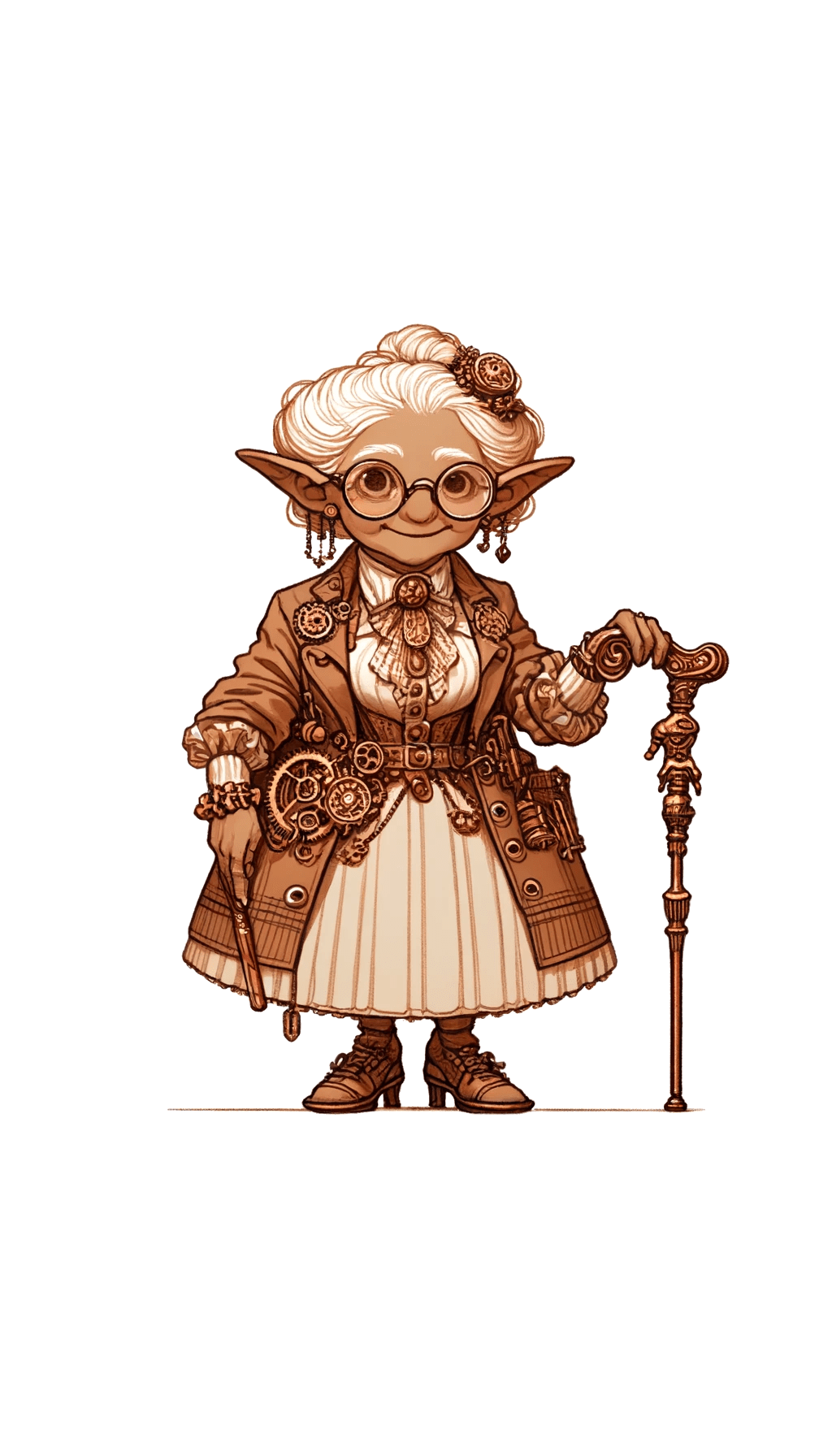
- The Cautious Tinkerer: Whose inventions could either revolutionize the world or explode spectacularly.
- The Devious Politician: Who manipulates the tides of power to ensure their survival in a changing world. Similarly, factions play a crucial role in shaping the political landscape. From guilds of secretive alchemists to ruthless industrial magnates, these groups can serve as both allies and antagonists, providing rich narrative fodder.
Steampunk Technology and Magic In a world where magic intertwines with machine, the possibilities for adventure and conflict are limitless. Introduce elements such as ether-infused engines or arcane automatons, which serve both practical and narrative purposes. For instance, a campaign might revolve around securing a source of mythril steam, a rare and powerful fuel for war machines. Alternatively, the discovery of a mystical ore that enhances or disrupts magical abilities could lead to a race against dark forces seeking to control or destroy it.
Conclusion Steampunk is more than just a setting—it’s a lens through which the familiar becomes extraordinary, and the past foretells a fantastical future. By weaving these elements into your campaigns, you create a tapestry rich in narrative depth, ensuring every adventure is both unique and memorable.



 Gemini Gaming | Meet The Dungeon Master