
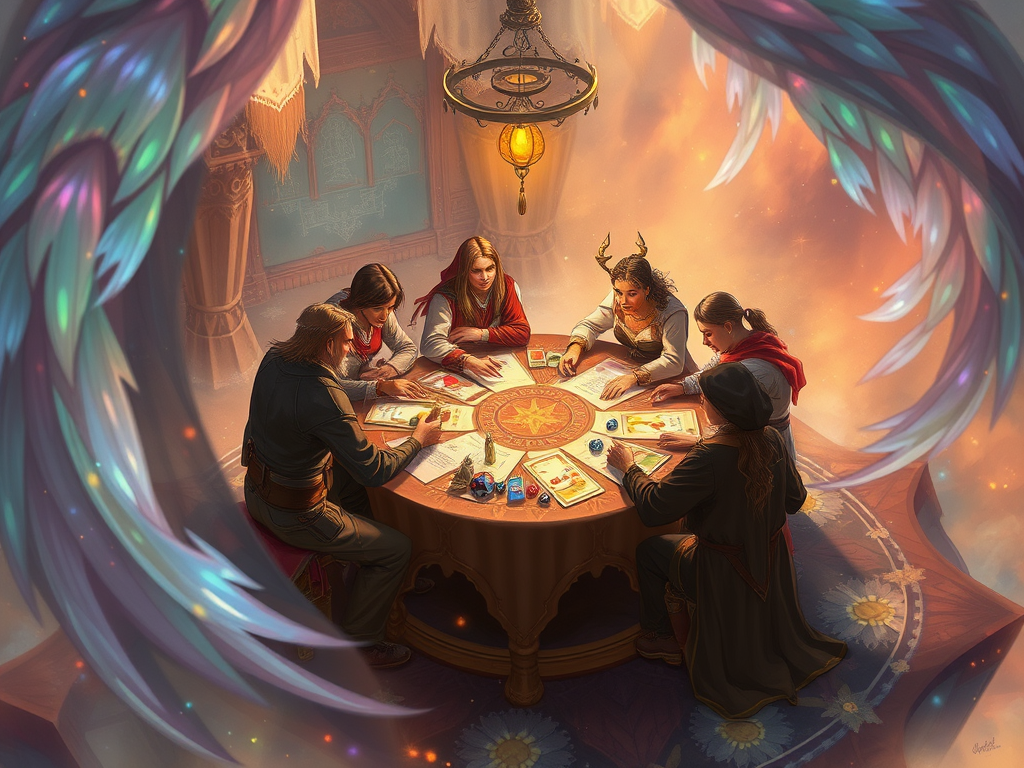
As a Dungeon Master (DM), one of your most powerful tools is the ability to improvise. While planning and preparation are essential, the unpredictable nature of players’ actions means that being able to think on your feet is crucial. In this post, we’ll explore why improvisation is important in tabletop role-playing games (TTRPGs) and share practical tips to help you enhance your improv skills, ensuring your sessions are both dynamic and engaging.
The Importance of Improv in TTRPGs
TTRPGs, such as Dungeons and Dragons, thrive on the spontaneous creativity of both the DM and the players. No matter how meticulously you’ve planned an adventure, players will inevitably make choices that veer off your intended path. Embracing improvisation allows you to adapt the story in real-time, keeping the narrative flowing smoothly and maintaining player engagement.
Improvisation also adds an element of unpredictability that can make your game more exciting and memorable. It helps create a living, breathing world where the story evolves organically based on the actions and decisions of the players.
Techniques to Enhance Improv Skills
1. “Say Yes, And…”: This classic improv technique involves accepting whatever the players present and building on it. Instead of shutting down unexpected ideas, embrace them and find ways to incorporate them into the story. This approach encourages player creativity and collaboration, leading to richer storytelling.
2. Prepare Loose Frameworks: Instead of scripting every detail, create loose frameworks for your sessions. Outline key plot points, NPC motivations, and major locations, but leave room for flexibility. This way, you have a structure to guide the story, but you’re not constrained by a rigid script.
3. Practice Active Listening: Pay close attention to what your players are saying and doing. Active listening helps you pick up on cues and ideas that you can weave into the narrative. It also shows your players that you’re engaged and responsive, which encourages them to contribute more actively.
4. Develop a Toolkit of Tropes and Archetypes: Familiarize yourself with common story tropes and character archetypes. Having a mental library of these can help you quickly generate NPCs, plot twists, and encounters on the fly. For example, the “mysterious stranger” trope can be used to introduce a new quest or piece of information at a moment’s notice.
5. Embrace Mistakes: Improvisation isn’t about getting everything perfect; it’s about being adaptable and creative. If you make a mistake or forget a detail, don’t stress. Use it as an opportunity to introduce a new plot element or twist. Often, these “happy accidents” can lead to some of the most memorable moments in your game.
Preparing for Spontaneity
While improvisation is crucial, the right kind of preparation can significantly enhance your ability to adapt and be spontaneous. Understanding the “bigger picture” of your world and storyline allows you to pivot seamlessly when the unexpected happens.
1. Know Your World: Develop a deep understanding of the world your game takes place in. This includes geography, cultures, politics, and key figures. When you have a solid grasp of these elements, you can quickly create plausible scenarios and responses to player actions.
2. Outline Major Plot Points: Have a clear outline of the major plot points and overarching storylines in your campaign. Knowing where the story is headed allows you to guide the narrative back on track when players deviate. This big-picture perspective ensures that even spontaneous events feel like part of a coherent story.
3. Create Detailed NPCs: Prepare detailed backgrounds and motivations for important NPCs. When you know what drives your characters, you can improvise their actions and reactions more convincingly. This depth adds realism and consistency to your world.
4. Develop a Toolbox of Encounters: Keep a toolbox of ready-to-use encounters, puzzles, and challenges. These can be slotted into the game when needed, providing seamless transitions and maintaining the pace of the session. This preparation ensures you’re never caught off guard.
5. Plan Flexible Scenarios: Design scenarios that can be adapted to different outcomes. Instead of having a single solution to a problem, create multiple paths that lead to the same goal. This flexibility allows players to explore their creativity while you maintain control over the storyline.
Conclusion
Mastering the art of improv is a valuable skill for any Dungeon Master. By embracing spontaneity, actively listening to your players, and staying flexible, you can create a dynamic and engaging TTRPG experience. Coupled with the right kind of preparation, you’ll be ready to adapt and pivot seamlessly, ensuring that the story continues to unfold in exciting and unexpected ways. Remember, the goal is not to control every aspect of the story but to facilitate a collaborative and evolving narrative that everyone at the table can enjoy. So the next time your players surprise you with their actions, take a deep breath, say “Yes, and…”, and see where the adventure leads.




 Gemini Gaming | Meet The Dungeon Master