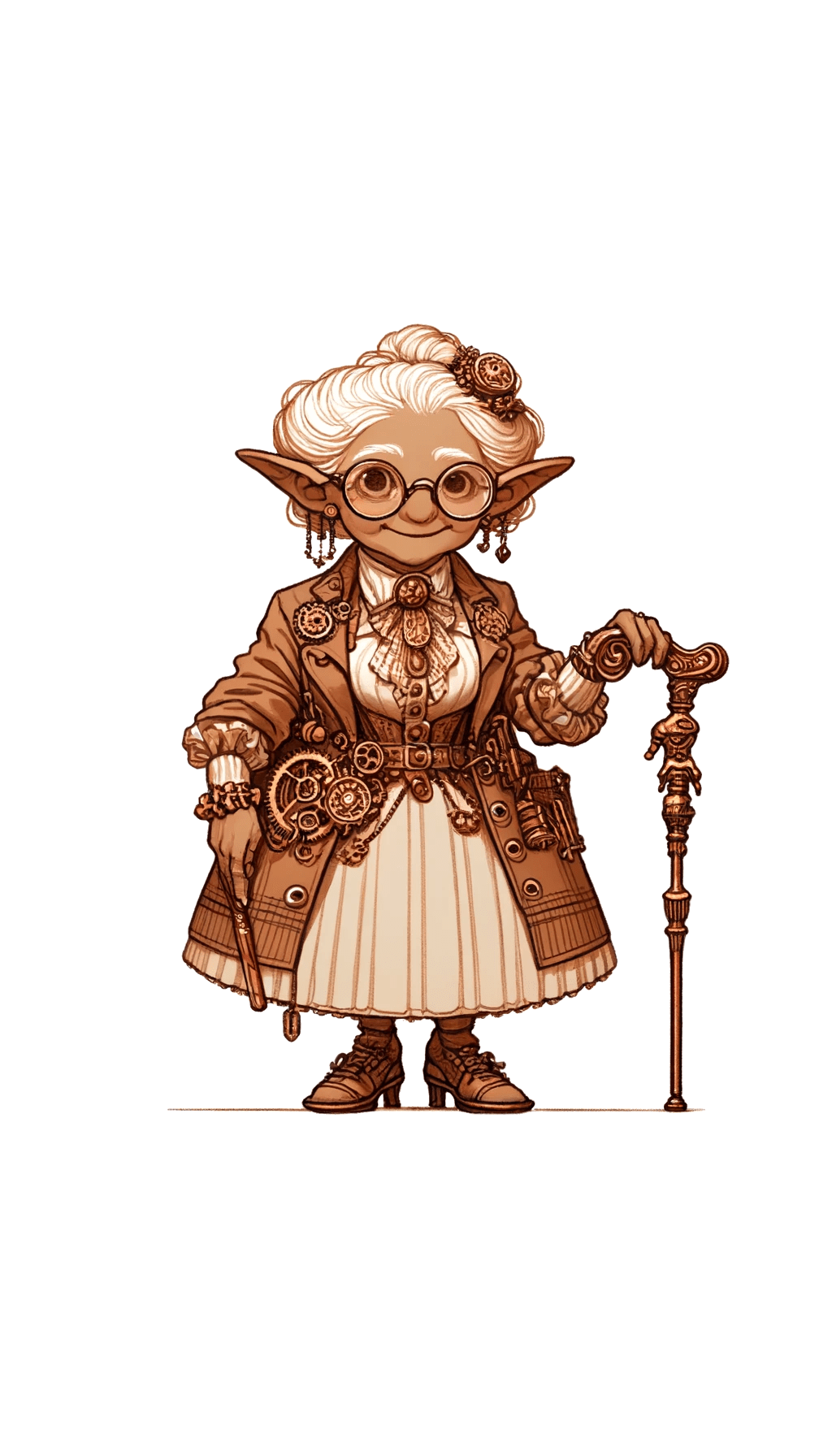
Picture this: The party strolls into a bustling marketplace—vendors shouting over each other, pickpockets slipping through the crowd, the smell of roasted nuts mingling with the stench of the city’s sewers. Among all this chaos is an elderly halfling woman with a sweet smile, handing out candy and chatting up the locals. Seems harmless, right? Until she casually mentions a secret she couldn’t possibly know about one of the party members.
Meet Abigail Pennybottom—one of my favorite NPCs and proof that a well-crafted character isn’t just another face in the crowd. She feels like part of the world and, more importantly, someone the players won’t stop talking about after the session ends.
NPCs are the lifeblood of a campaign, adding depth and flavor to the world you’ve built. Whether they’re allies, enemies, or something in between, they’re what make the game world feel alive. So, how do you create NPCs your players will actually care about—or even better, remember? Let’s break it down.
1. Define Their Role in the Story
Every NPC needs a purpose—whether they’re handing out quests, causing chaos, or just tagging along for comedic relief. Knowing what role they play in the story keeps them from feeling like unnecessary filler.
Take Ebeneezer Nottle, a slightly scruffy dwarf with more street smarts than personal hygiene. His job was to connect the party to the shady underworld of Manascar. But instead of being just a generic “go talk to this guy” character, his gravelly voice, sarcastic one-liners, and shifty demeanor made him a fan favorite. He wasn’t just giving the party leads—he was entertaining them while doing it.
Quick Tip: If you can’t answer the question, “Why is this NPC in the story?” it might be time to rethink their role or combine them with another character.
2. Give Them a Distinct Personality
Let’s be real: Nothing makes an NPC more forgettable than a bland personality. Give them something unique—maybe it’s a quirk, a catchphrase, or just the way they carry themselves. Think about how they’d act under pressure or what makes them tick.
For example, Abigail Pennybottom isn’t just a sweet old halfling lady handing out candy. She’s also the town gossip who somehow knows more about your players than they know about themselves. She’ll happily bake you cookies, but you’ll pay for them later with her endless questions. That mix of warmth and nosiness makes her both endearing and infuriating—and that’s exactly the point.
Quick Tip: When you’re stuck, borrow traits from real-life people. That old coworker who always chewed gum too loudly? That’s a perfect NPC waiting to happen.
3. Tie Them to the Setting
NPCs aren’t just wandering aimlessly through your world—they should feel like they belong in it. Tie their backstory, job, or personality to the setting, and they’ll instantly feel more real.
Manascar, the steampunk city in my campaigns, is gritty and chaotic. Abigail reflects the charm of the city’s industrious side with her background as a retired toy machinist. Her home is cluttered with little mechanical contraptions she tinkers with in her spare time. Meanwhile, Ebeneezer thrives in the city’s darker corners, cutting deals in smoke-filled back rooms. Both of them are walking, talking pieces of Manascar’s identity.
Quick Tip: Ask yourself, “What’s this NPC’s connection to the world, and how does the world influence them?” It’s a great way to add depth.
4. Build for Interaction
The best NPCs aren’t static—they’re built to interact with the party. Whether they’re offering help, causing problems, or just tagging along, they should give the players something to react to.
Think about what your NPC wants. Are they trying to hire the party, recruit them, or get in their way? And don’t forget to think about how they interact. Ebeneezer, for example, might grumble and complain while reluctantly offering his help—only because it serves his own agenda. Abigail, on the other hand, could rope the party into helping her organize her “junk” (spoiler: it’s not junk) just to get her to spill some valuable information.
Quick Tip: Give your NPC clear motivations, but leave room for players to influence them. Relationships should evolve based on how the party treats them.
5. Give Them Secrets and Depth
If you really want your NPCs to stick with the players, give them layers. A quirky personality is great, but when your players discover there’s more beneath the surface? That’s when the magic happens.
Maybe Abigail’s endless gossiping isn’t just idle chatter—maybe she’s gathering intelligence for an underground spy network. Or Ebeneezer might be working with the party, all while secretly plotting to betray them to his rivals. These layers don’t need to come out all at once—let the players peel them back over time.
Quick Tip: Think of one thing the NPC doesn’t want the party to know and one thing they’ll go out of their way to hide.
Conclusion
Memorable NPCs aren’t just there to hand out quests or fill up space—they’re the heart and soul of your campaign. They can make your world feel alive, give your players something to connect with, and even drive the story in unexpected directions.
So, take the time to craft NPCs with personality, purpose, and a connection to your setting. Give them something to want, something to hide, and maybe even something to laugh about. Trust me—your players will thank you (even if their characters won’t).




 Gemini Gaming | Meet The Dungeon Master