
As Dungeon Masters, we get to weave incredible stories with our players. Sometimes, though, the themes we explore—betrayal, loss, violence—might touch on sensitive topics for someone at the table. That’s why creating a safe and respectful environment is so important. Tools like lines, veils, and open communication aren’t just nice to have—they’re essential for ensuring everyone feels comfortable and can enjoy the game to its fullest.
Let’s dive into what these tools are, why they matter, and how you can use them to make your table a space where everyone feels heard and respected.
Why It Matters
A TTRPG campaign is an escape, but it’s also deeply personal. Players bring a lot of themselves to their characters, and it’s impossible to know everyone’s history or triggers. Without clear communication, a seemingly harmless scene or theme could create discomfort or even harm.
In one of my campaigns, I wanted to explore betrayal as a theme. While it worked narratively, one of my players later shared that it hit too close to home for them. It was a wake-up call for me—I realized that, no matter how well-intentioned I was, I needed tools to ensure everyone at the table felt safe and respected. That’s where lines and veils come in.
What Are Lines and Veils?
Lines and veils are tools for setting boundaries around sensitive topics in TTRPGs:
- Lines are hard boundaries. These are topics that will never appear in the game, period. For example, some players might draw a line at graphic depictions of harm to children or sexual violence. Once established, these topics are entirely off-limits.
- Veils are softer boundaries. These topics can exist in the game world, but they’re handled off-screen or with a “fade to black.” For instance, a romantic relationship might be acknowledged but not described in detail.
Using these tools helps everyone feel more at ease, knowing their boundaries are respected.
Example: In my games, I use a line for graphic violence against children and a veil for romantic intimacy. These boundaries make it easier for me and the players to focus on the fun parts of storytelling.
How to Introduce Lines and Veils at Your Table
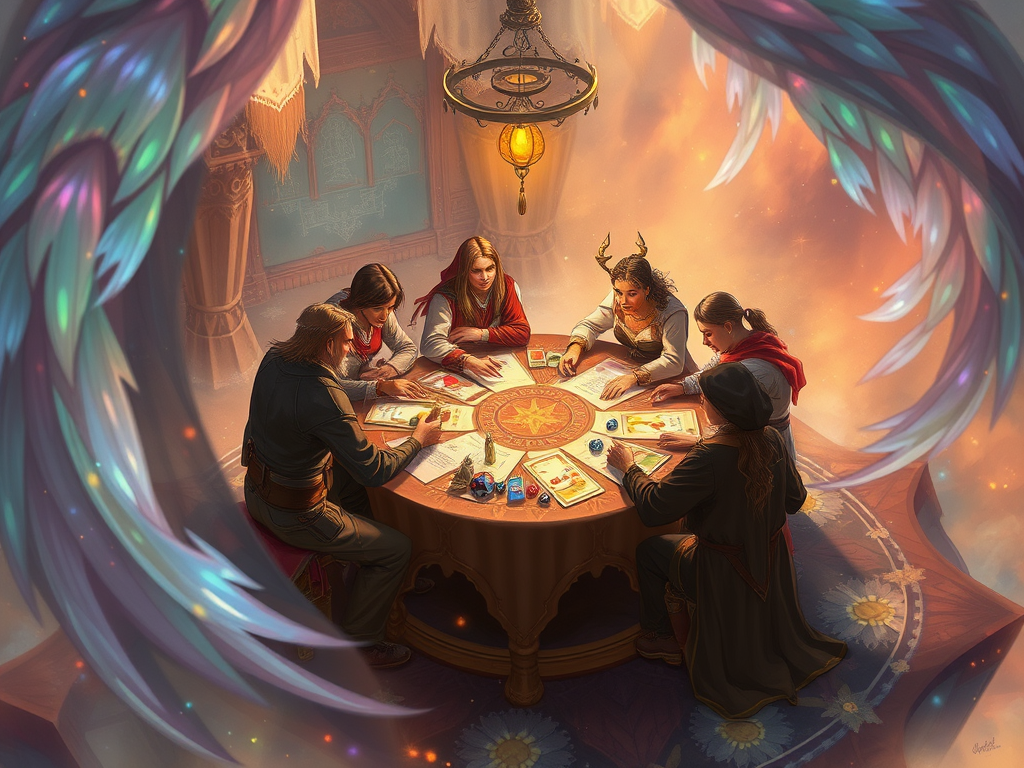
Establishing these boundaries doesn’t have to be awkward or overly formal. In fact, it’s easiest when you incorporate it naturally into your Session 0.
Here’s how to introduce them:
- Explain the Concept: Start by letting your players know that you want everyone to feel comfortable, so you’ll be setting some boundaries together.
- Use Tools: Provide a consent checklist or anonymous survey to give everyone a chance to voice their preferences. The RPG Consent Checklist is a fantastic resource for this.
- Check In Regularly: Boundaries can change as the game progresses. Encourage your players to revisit lines and veils if anything comes up.
Pro Tip: Remind players that it’s okay to change their minds. What feels fine one day might not feel okay later, and that’s normal.
Other Tools for Respectful Role-Playing
Lines and veils are just the beginning. Here are a few more tools you can use to ensure everyone at your table feels respected:
- The X-Card: Players can tap the X-Card to signal discomfort, no explanation required. This pauses the game so the group can adjust and move forward.
- Open-Door Policy: Encourage players to step away or speak up at any time if they’re feeling overwhelmed or uncomfortable.
- Anonymous Feedback: If you’re using an online platform like Discord, consider creating a private channel or form where players can share concerns without fear of judgment.
When Sensitive Topics Are Part of the Story
Sometimes, sensitive themes are central to the narrative. Maybe your game explores social inequality, grief, or other heavy topics. That’s fine—as long as you handle these themes with care.
Here are some tips for navigating heavier topics:
- Collaborate: Involve your players in the decision to include these themes. Get their input on how to approach them.
- Stay Flexible: Be ready to adjust if something isn’t working. If a scene feels too intense, pull back or shift focus.
- Focus on Growth: Sensitive topics should drive character growth or narrative resolution, not dwell on trauma for its own sake.
Example: In a steampunk campaign, I explored themes of class disparity and corporate greed. Before diving in, I worked with my players to ensure everyone was comfortable with the tone and approach. By collaborating, we created a meaningful story that resonated with everyone.
What to Do If You Cross a Line (It Happens!)
Even with the best intentions, mistakes happen. The key is how you respond:
- Pause the Game: Stop as soon as you notice—or someone points out—that a line has been crossed.
- Apologize and Adjust: Acknowledge the mistake and adjust the story or tone as needed.
- Learn from It: Use the experience to refine your communication and safety tools.
Mistakes are part of the process. What matters is showing your players that you value their comfort and trust.
Conclusion
As Dungeon Masters, we have the privilege of guiding stories that bring people together. But with that privilege comes responsibility. Using tools like lines and veils isn’t just about avoiding discomfort—it’s about creating a table where everyone feels safe to explore, collaborate, and have fun.
So take the time to set boundaries, check in with your players, and stay open to feedback. It’s a small effort that makes a huge difference.
What tools or techniques do you use to handle sensitive topics at your table? Let me know in the comments—I’d love to hear how you keep your games fun and respectful for everyone!



 Gemini Gaming | Meet The Dungeon Master