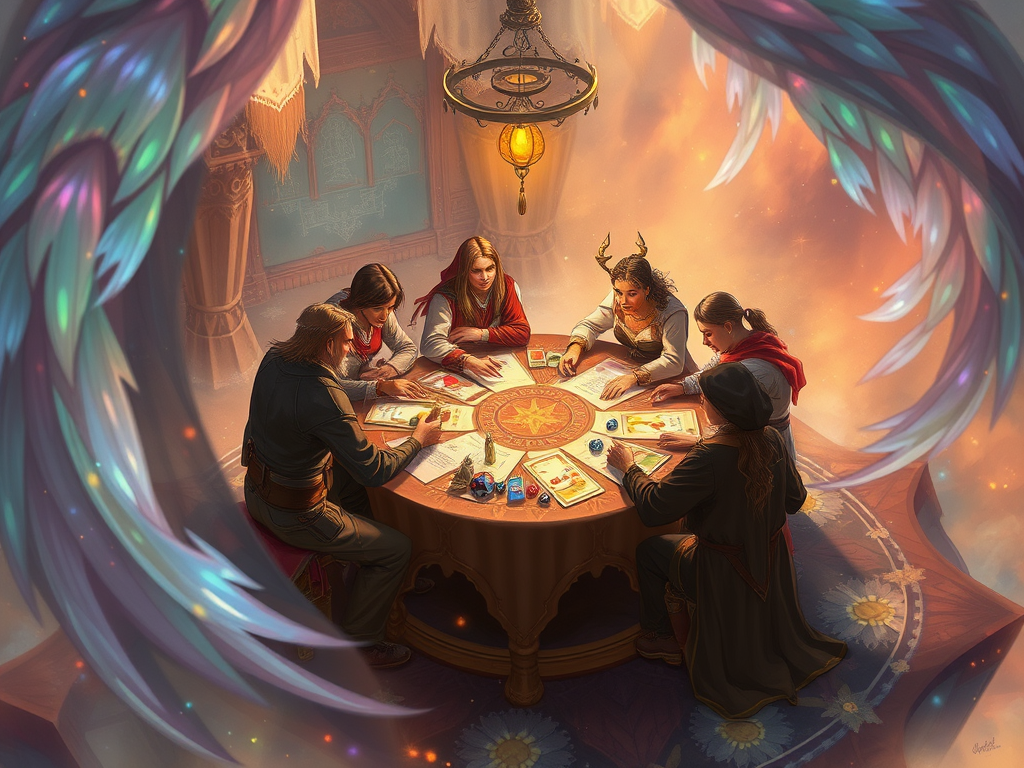
Creating your own Tabletop Roleplaying Game (TTRPG) is an exciting but complex undertaking that requires a blend of creativity, structure, and persistence. Whether you’re motivated by a unique world idea, mechanics not found in mainstream systems, or a desire to bring a new kind of experience to the table, it all starts with having a clear vision. What genre are you targeting—fantasy, sci-fi, post-apocalyptic, or something else entirely? Is your game heavy on storytelling, tactical combat, or player-driven worldbuilding? Defining your core intent from the outset helps you stay aligned as the project grows, serving as a creative compass that can guide every future design decision.
Once you have a solid concept, it’s time to shift into project management mode and organize your development process. Writing a TTRPG is more than just jotting down ideas—it’s a long-term commitment that benefits from structure and planning. Start by outlining your development phases, such as worldbuilding, core mechanics, character creation, and playtesting. Use task management tools like Notion, Trello, or a simple spreadsheet to track milestones and deadlines. Set realistic, incremental goals—for example, “complete basic combat draft by end of month”—to keep momentum and avoid overwhelm, especially during early development.
As you begin designing the rules and systems, pay close attention to mechanical balance and overall design clarity. Consider how players interact with the world through your system: What actions can they take? How are those actions resolved—dice rolls, cards, stats, or a combination? Balance doesn’t mean making everything equal; it means giving each class, role, or mechanic a meaningful place in the game. Mechanics should support your game’s tone and encourage the kind of play you envision, whether that’s fast-paced action, tense decision-making, or emotional storytelling. Clarity in your rule explanations is crucial—players should be able to quickly understand and reference rules mid-session without digging through walls of text.
Next comes one of the most vital and often overlooked phases: playtesting. Once your core rules are usable, schedule small sessions with a mix of players—some familiar with TTRPGs, others new to the format. Observe how they interact with the system: Do they find it intuitive or clunky? Are certain abilities or mechanics confusing or overpowered? Use this feedback to adjust mechanics, improve flow, and address unclear rule interactions. Playtesting should be iterative and ongoing—don’t wait until the “final draft” to test. Each session provides insights you can’t get on paper, helping you evolve your system in meaningful, player-driven ways.
In addition to strong mechanics, successful TTRPGs have well-organized documentation and an active community presence. Your rulebook should be easy to navigate, with logical headings, example scenarios, and quick-reference charts. Platforms like The Homebrewery, Affinity Publisher, or even formatted Google Docs can help bring a professional look to your materials. As your game develops, consider building an online presence through social media, Discord, Reddit, or a dev blog to gather feedback and build interest. Sharing character sheets, artwork, setting teasers, or mechanics previews is a great way to involve others and create excitement. Cultivating a community around your game helps you stay motivated and gives your system a life beyond your own table.
Designing your own TTRPG is a challenging but incredibly rewarding experience. With clear goals, structured development, balanced mechanics, and a commitment to consistent playtesting, you can transform your ideas into a fully playable and compelling system. Take the process seriously, but don’t forget to have fun—it’s a game, after all! By inviting others into your world through smart documentation and community-building, you increase your game’s potential to grow and evolve organically. So grab your notebooks, roll some dice, and start building the game you’ve always wanted to play.




 Gemini Gaming | Meet The Dungeon Master